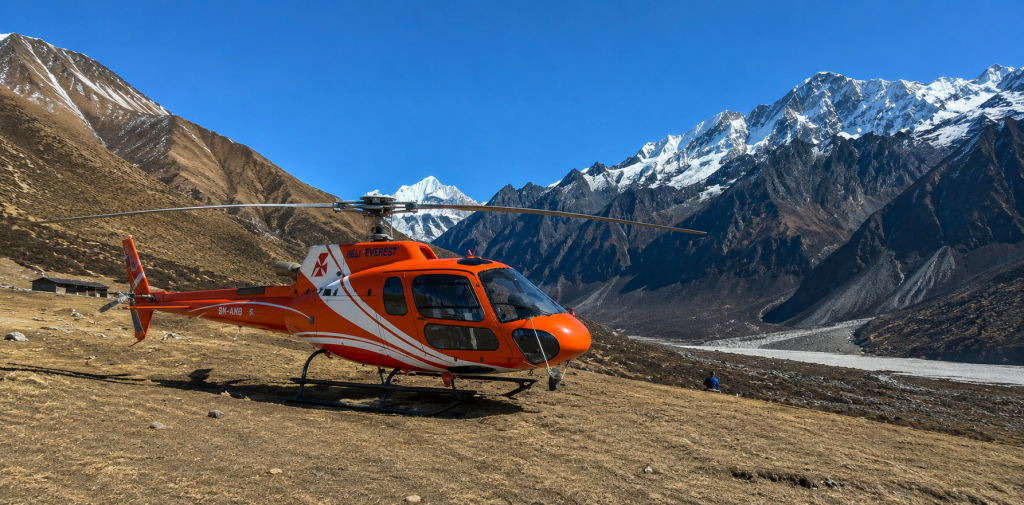
Everest Helicopter Tour
Best Time for Everest Base Camp Helicopter Tour (Month-by-Month Guide)
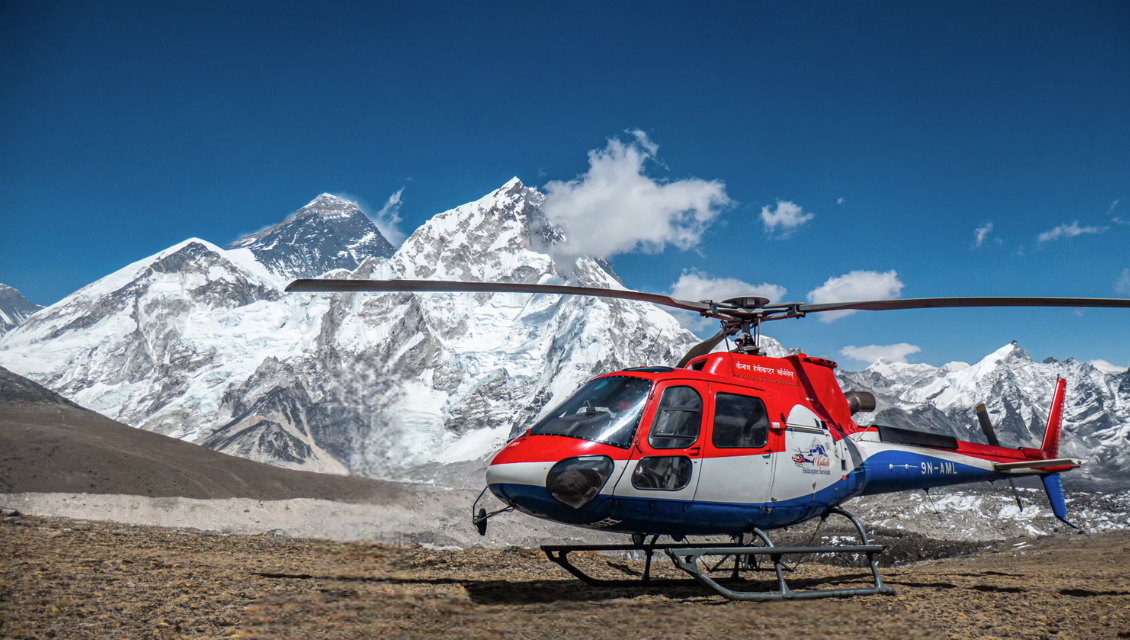
Best Time for Everest Base Camp Helicopter Tour: Quick Answer
The best time for an Everest Base Camp helicopter tour is October to November (autumn) and March to May (spring). During these windows, skies stay clear, winds remain light, and the Himalayan panorama opens up in full. Mount Everest, Lhotse, Nuptse, Ama Dablam, and the Khumbu Glacier all appear in sharp detail.
If you want the highest chance of a smooth, on-schedule flight, book for late October through mid-November or April through early May. Those weeks combine stable weather with the best visibility of the year.
The rest of this guide explains why, month by month. It also covers costs, booking tips, and what to expect on the day, so you can reserve your Everest helicopter tour with confidence.
What Is an Everest Base Camp Helicopter Tour?
An Everest Base Camp helicopter tour is a one-day flight from Kathmandu (or Lukla) that takes you deep into the Khumbu region of Nepal. Instead of trekking for 12 to 14 days, you reach the foot of the world’s highest mountain in a few hours.
A typical itinerary looks like this:
- Morning departure from Kathmandu’s Tribhuvan International Airport
- Scenic flight over the foothills, terraced farmland, and Sherpa villages
- Landing at Kala Patthar or Gorak Shep (around 5,164 to 5,550 meters), close to Everest Base Camp
- Time on the ground for photos, views, and a short walk
- Breakfast at Hotel Everest View (Syangboche, about 3,880 meters) or a stop at Lukla or Namche Bazaar
- Return flight to Kathmandu, usually within four hours of departure
Landing directly on the Base Camp itself is generally not permitted, so operators land at nearby high-altitude sites with equally dramatic views. Itineraries differ by operator, so confirm the exact landing point when you book.
Why Timing Matters for Your Everest Helicopter Tour
Helicopters fly under visual flight rules in the Himalaya. That means pilots need clear skies, good visibility, and manageable winds. Weather can change within minutes at altitude, and operators cancel or delay flights whenever conditions become unsafe.
Choosing the right season affects four things:
- Visibility: Clear air shows you the full Everest massif instead of a wall of cloud.
- Flight reliability: Stable weather lowers the risk of delays and cancellations.
- Comfort: Temperatures at 5,000+ meters swing from mild to brutally cold depending on the month.
- Value: Peak season brings higher demand, while shoulder months can offer more flexibility.
Pick the wrong month, and you may spend your Everest budget staring at clouds. Pick the right one, and the trip becomes the highlight of your Nepal journey.
Everest Base Camp Helicopter Tour by Season
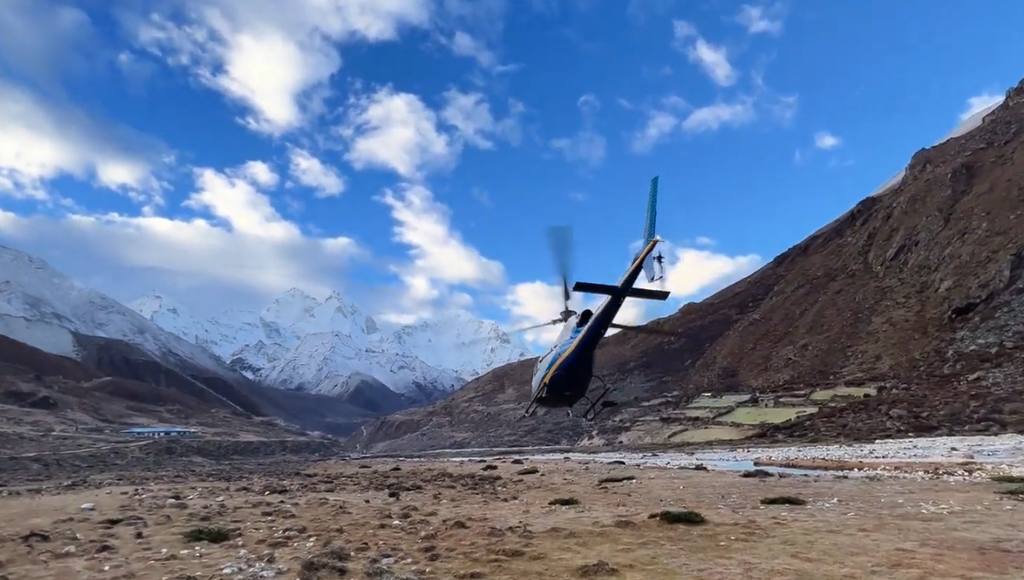
Spring (March to May): Best Season for Everest Helicopter Tours
Spring ranks among the two best seasons for an Everest Base Camp helicopter tour. Daytime weather turns warm and settled, and the valleys fill with blooming rhododendrons.
Why spring works:
- Long, clear mornings: Visibility often stretches for dozens of kilometers.
- Moderate temperatures: Kathmandu sits around 20 to 28°C, while Kala Patthar stays well below freezing but remains bearable in sunshine.
- Climbing season atmosphere: Expedition teams gather at Base Camp from April, and you may spot tents, prayer flags, and activity near the Khumbu Icefall.
- Colorful landscapes: Lower valleys glow with red and pink rhododendron blooms in April.
Watch out for: Afternoon cloud buildup becomes more common by late May as the pre-monsoon season approaches. Morning flights remain the safest choice. Helicopter traffic also increases during the climbing season, so reserve early.
Best spring window: Mid-March to mid-May, with April as the sweet spot.
Autumn (September to November): Peak Season for Everest Helicopter Flights
Autumn is the most popular season, and for good reason. After the monsoon rains wash the atmosphere clean, the Himalaya emerge in crystal clarity.
Why autumn works:
- Sharpest visibility of the year: Dust and haze disappear, so peaks look close enough to touch.
- Stable weather: October and November deliver the most consistent flying conditions.
- Deep blue skies: Photographers love the contrast between white summits and dark blue sky.
- Festival season: Dashain and Tihar light up Nepal in October and November, adding cultural depth to your trip.
Watch out for: Early September can still carry monsoon leftovers. Demand also peaks from October to mid-November, so premium dates sell out quickly. Book several weeks ahead for the best seats and times.
Best autumn window: Early October to late November, with the last week of October through mid-November as the top choice.
Winter (December to February): Clear Skies, Cold Temperatures
Winter offers a surprisingly strong option for a helicopter tour. The air is dry, skies are often cloudless, and crowds thin out.
Why winter works:
- Exceptional clarity: Cold, dry air produces some of the sharpest mountain views.
- Fewer travelers: Flights feel less crowded, and scheduling can be more flexible.
- Snow-covered scenery: Fresh snow transforms the Khumbu into a white wonderland.
Watch out for: Temperatures at Kala Patthar can drop to -20°C or lower, and strong winds sometimes disrupt flights, especially in January. Dress in serious layers, and expect a shorter time on the ground. Some lodges at Syangboche close for the season, so confirm breakfast arrangements.
Best winter window: Early December and late February, when conditions are cold but typically more stable.
Monsoon (June to August): The Hardest Season to Fly
Monsoon is the least suitable time for an Everest Base Camp helicopter tour. Heavy cloud cover blankets the mountains, and frequent rain reduces visibility dramatically.
Challenges in monsoon:
- Clouds frequently hide Everest completely
- Flights face frequent delays and cancellations
- Landslides can disrupt road travel to and from Kathmandu
- Views of the main peaks are unpredictable
Who might still fly: Travelers with fixed travel dates, flexible schedules, and low expectations. Early morning windows occasionally open between systems. However, if seeing Everest is the entire point of your trip, avoid these months.
Month-by-Month Guide: Best Month for Everest Base Camp Helicopter Tour
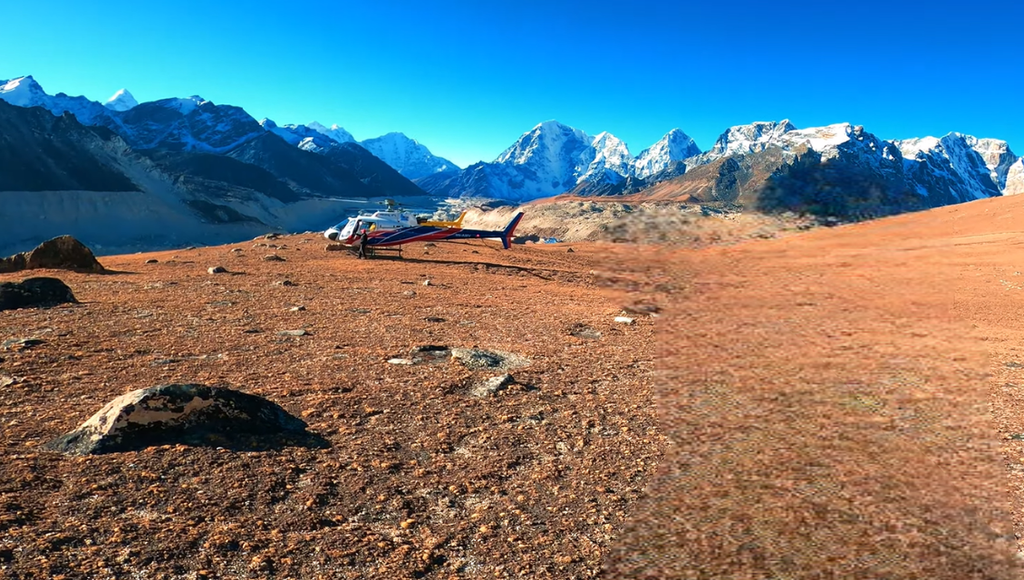
Use this breakdown to match your travel dates with the likely conditions.
January: Cold and clear, with strong winds at times. Good visibility, fewer crowds. Rating: Good.
February: Slowly warming, snow-covered peaks, steady skies. Rating: Good.
March: Spring begins, temperatures rise, visibility stays strong. Rating: Very good.
April: Warm, stable, and colorful, with expedition activity at Base Camp. Rating: Excellent.
May: Clear mornings but growing afternoon cloud. Rating: Very good (fly early).
June: Monsoon begins, heavy clouds, unreliable flights. Rating: Poor.
July: Peak monsoon, rain and low visibility. Rating: Poor.
August: Continued rain, limited views. Rating: Poor.
September: Rain tapers off, but clouds linger early in the month. Rating: Fair to good.
October: Clearest skies, calm air, peak demand. Rating: Excellent.
November: Dry, crisp, and stable, with slightly fewer crowds than October. Rating: Excellent.
December: Cold but bright, with improving crowd levels. Rating: Good to very good.
Best Time of Day for an Everest Helicopter Tour
Season matters, but the hour of the day matters almost as much. In the Khumbu, mornings nearly always beat afternoons.
Why morning flights win:
- Skies remain clearer before the daily cloud buildup rolls up the valleys
- Winds stay lighter before the sun heats the slopes
- Everest and neighboring peaks often show without cloud caps
- Pilots gain more flexibility if a delay occurs
Most operators schedule departures between roughly 6:30 and 9:00 AM for this reason. If you have a choice, take the earliest slot. If weather delays the first flight, later windows may still open, so keep your schedule flexible by at least one day.
Everest Base Camp Helicopter Tour Weather: What to Expect at Altitude
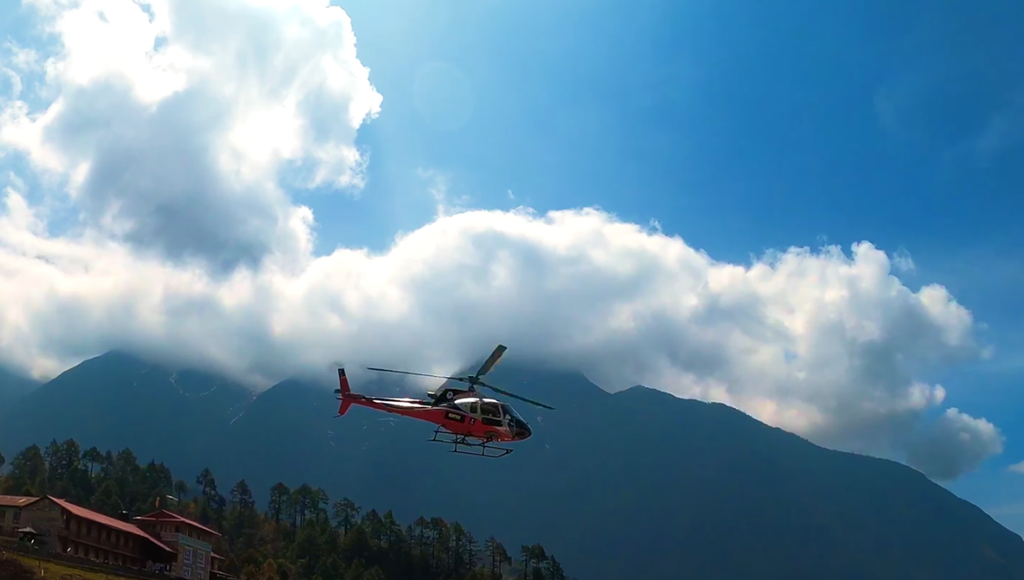
Weather in Kathmandu tells you little about the weather at 5,500 meters. Mountain conditions differ sharply, even on the same day.
Typical conditions at Kala Patthar and Gorak Shep:
- Spring: Around -5°C to -10°C in the morning, rising slightly with sun
- Autumn: Around -5°C to -15°C, with calm, bright air
- Winter: As low as -20°C or colder, often with wind
- Monsoon: Near freezing, with cloud and moisture
Wind is the main factor behind cancellations, not just rain. Strong gusts in the Khumbu can make landings unsafe, which is why operators decide on the day and why a flexible schedule helps.
Everest Base Camp Helicopter Tour Cost: Does Season Affect the Price?
Pricing changes by operator, group size, itinerary, and season. As a rough guide, shared helicopter seats from Kathmandu commonly run from about USD 1,000 to 1,500 per person, while a private charter for a small group can cost several thousand dollars in total. Treat these figures as approximate and confirm current rates directly with your operator.
What influences the price:
- Shared vs. private: Joining a group lowers the per-person cost. A private charter gives you control over timing and extras.
- Departure point: Flying from Kathmandu costs more than a Lukla-based option because of longer flight time.
- Landing choice: Itineraries with Kala Patthar or extended stops may cost more.
- Included extras: Breakfast at Hotel Everest View, oxygen, and hotel transfers can be bundled or charged separately.
- Season: Peak months (October, November, April) bring the strongest demand and fewer discounts.
Money-saving tips:
- Book early for autumn and spring departures
- Join a shared flight if your group is small
- Travel in shoulder weeks, such as early March or early December
- Ask whether insurance and permits are included before paying
How to Book the Best Everest Base Camp Helicopter Tour
Booking early protects both your dates and your budget. Follow this simple process:
- Choose your travel window. Target October to November or March to May.
- Compare operators. Check reviews, safety records, and what the price includes.
- Confirm the itinerary. Verify landing sites, flight duration, and breakfast stops.
- Reserve a buffer day. Weather can delay flights, so avoid scheduling your international departure right after your tour.
- Check insurance. Make sure your travel policy covers helicopter flights up to 5,500 meters.
- Pay the deposit. Most operators require advance payment to hold your seat.
Always book through a licensed Nepali operator. Ask for written confirmation of inclusions, cancellation terms, and weather-delay policies before you commit.
Everest Helicopter Tour vs. Trekking: Which Is Better for You?
Many travelers weigh the helicopter against the traditional trek. Both deliver unforgettable experiences, but they suit different people.
Choose the helicopter tour if:
- You have limited time in Nepal
- You want to avoid long days of walking at altitude
- Physical limitations make trekking difficult
- You want to see Everest as a single-day highlight
Choose the trek if:
- You want the full cultural and physical experience
- You enjoy multi-day hiking and teahouse life
- You have two to three weeks available
Altitude note: A helicopter tour moves you quickly to 5,000+ meters, which skips the gradual acclimatization a trek provides. Most tours keep ground time short for this reason. Drink water, move slowly, and tell your pilot or guide immediately if you feel unwell.
What to Pack for Your Everest Base Camp Helicopter Tour
Dress for the cold, even in warm months. Pack the following:
- Insulated down jacket and warm base layers
- Wind-resistant outer shell
- Warm hat, gloves, and neck gaiter
- Sunglasses with UV protection (glare at altitude is intense)
- Sunscreen and lip balm
- Comfortable, sturdy shoes
- Camera or phone with extra battery (cold drains batteries quickly)
- Passport copy and booking confirmation
- Water and a small snack
Keep your camera ready during the flight itself. Some of the best views appear between landings.
Tips for Getting the Best Experience
- Fly in the morning whenever possible
- Keep your schedule flexible by at least one buffer day
- Sit by a window and ask your operator about seat positions
- Photograph in layers: take wide shots of the range, then close-ups of individual peaks
- Respect the altitude: limit exertion on the ground
- Check conditions the evening before with your operator or hotel
- Book the earliest slot for the clearest skies
When Should You Book Your Everest Base Camp Helicopter Tour?
For the best combination of views, weather, and reliability, book your Everest Base Camp helicopter tour during October to November or March to May. These seasons deliver the clearest skies and the highest chance of a flight that runs exactly as planned.
Winter works well for travelers who can handle the cold, and monsoon should be a last resort. Whatever month you choose, fly in the morning, build in a buffer day, and book through a licensed operator.
Ready to see Mount Everest from above? Check availability for your preferred dates, compare shared and private options, and reserve your seat today. Autumn and spring dates fill quickly, so early booking gives you the best choice of departure times and the best chance of unforgettable Himalayan views.
Frequently Asked Questions About the Best Time for Everest Base Camp Helicopter Tour
What is the best month for an Everest Base Camp helicopter tour?
October and November offer the clearest skies and most stable conditions, with April as the best spring month. Both seasons combine strong visibility with reliable flying weather.
Can you fly to Everest Base Camp by helicopter in winter?
Yes. Flights operate from December to February, and the air is often very clear. However, expect extreme cold and occasional wind delays, so dress warmly and stay flexible.
Is the monsoon a bad time for an Everest helicopter tour?
Generally, yes. June to August brings heavy cloud and rain, which hide the mountains and cause delays. Choose a different season if the views are your priority.
How long does an Everest Base Camp helicopter tour take?
Most tours from Kathmandu take about four hours round trip, including a landing, photo time, and breakfast. Exact timing depends on your itinerary and weather.
Does the helicopter land at Everest Base Camp?
Landings at Base Camp itself are generally restricted. Most tours land at Kala Patthar or Gorak Shep, which sit close by and offer outstanding views of Everest and the Khumbu Glacier.
How far in advance should I book?
For October, November, and April departures, book at least four to eight weeks ahead. Off-season dates can often be arranged on shorter notice.
Is an Everest helicopter tour safe?
Licensed operators follow strict flight and weather protocols, and pilots cancel when conditions look unsafe. Choose a reputable company, confirm insurance coverage, and follow your pilot’s instructions.
Do I need travel insurance?
Yes. Make sure your policy covers helicopter travel to high altitude, including emergency evacuation.
Is the helicopter tour suitable for older travelers or children?
Many families and older travelers enjoy the flight because it avoids strenuous trekking. Consult your doctor first, since the tour reaches high altitude quickly.
Can I combine the helicopter tour with a trek?
Yes. Many travelers trek up and fly back, which saves several days of walking down. Ask your operator about “fly-out” options.